I thought I loved loaded baked potatoes until I tried Twice Baked Potatoes. Two words…Next Level! Who knew a deconstructed loaded baked potato, mixed perfectly with all your favorite toppings, then restuffed into crispy potato skins, would taste so good? Yes, it’s an extra step, but it’s sooo worth it! Beth and I made these potatoes three times, and each time we debated on who would get to take the leftovers home. Listen, I’m just saying if you’ve ever been hesitant on whether the extra step to make “twice” baked potatoes was worth it…trust us, it’s worth it!! And at just $0.70 per potato half, I’ll happily make a whole tray any day!
“This was my first time making twice baked potatoes and they turned out great! I don’t cook very often but this recipe was easy to follow, and as a bonus, there weren’t many dishes to clean.”
mark
All the Good Stuff Goes Inside
Unlike regular baked potatoes, twice baked potatoes are indeed baked twice in the oven. They’re first baked whole until the insides are fluffy and tender. The creamy potato flesh is then scooped out and mixed with all your favorite mix-ins like butter, sour cream, bacon, and cheese. (But hey, no pressure. Feel free to use whatever toppings you have on hand. You can also switch things up and use one of the combinations listed in our traditional baked potatoes blog post!)
Now comes my favorite part. I pile the filling back into the skins and save some cheddar for the top, so there’s cheese stirred into the mash and a melty layer over it. Picture a loaded baked potato, except each bite has the perfect amount of toppings. It’s actually genius and I’m kinda upset that I wasn’t making these years ago! Make sure to also try our twice baked potato casserole next if you love this flavor combo!
Recipe Success Tips
- Russet potatoes are the best choice. After making this recipe three times, I’m sticking with russets! Their thick skins make sturdy shells that hold up to the second bake, even when they’re piled high with filling. The starchy insides also bake up fluffy and mash easily with the butter and sour cream. I recommend choosing potatoes that are a similar size so they finish baking at about the same time.
- Oil and season the skins before baking. I use my hands or a brush to spread a thin layer of olive oil over each dry potato, then finish with a little salt. Getting oil on the whole potato before the first bake is my secret to crispy twice baked potatoes!
- Check the center and leave a little potato behind. The first bake is done when a fork slides easily into the center of the largest potato. Once the potatoes are cool enough to handle, slice each one in half, and start scooping from the middle with a spoon and work toward the edges. Leave about ¼ inch of potato along the sides and bottom so the shells stay sturdy when you fill them.
- Mash just until fluffy. I find the potato flesh is easiest to mash while it’s still warm. Stop once the filling looks light and fluffy, especially if you’re using a hand mixer. Too much mixing can make the potatoes gummy.
Variations to Try!
I went with a classic bacon and cheddar filling for these potatoes, but you can play around with what you’ve got. A little leftover meat, a handful of veggies, or the last of a block of cheese can all save you a trip to the store!
- Make it spicy: Stir a spoonful of Buffalo sauce into the filling, then taste before adding more. If you’re serving kids who hate spice, I’d set some filling aside before adding the sauce. That way, you get a few halves with a little heat and tang, and the rest stay mild.
- Swap the bacon for another protein: Fold leftover cooked shredded chicken into the mash where you’d normally add the bacon. Diced baked ham or cooked chorizo would work here, too. Chop any long strands or larger pieces so the meat mixes evenly through the filling and is easy to scoop into the shells.
- Add some greens: Wilt a handful of fresh spinach in a skillet, then squeeze out any excess liquid, chop it, and fold it into the filling. Frozen spinach works, too. I’d thaw it first and squeeze it well so it doesn’t water down the mash. If you’ve got broccoli to use up, steam a few florets until tender, drain them well, and chop them small before stirring them in (similar to our broccoli cheddar stuffed baked potatoes).
- Change up the cheese: Use whatever cheddar you already have in your fridge! Mild cheddar keeps the flavor mellow, medium gives you a little more cheesy flavor, and sharp cheddar really stands out alongside the smoky bacon. Other good melting cheeses work here, too. Monterey Jack is mild and creamy, mozzarella gives you a stretchy topping, and pepper jack adds a little heat.

Print
Add to Collection Go to Collections
Twice Baked Potatoes
#wprm-recipe-user-rating-2 .wprm-rating-star.wprm-rating-star-full svg * { fill: #343434; }#wprm-recipe-user-rating-2 .wprm-rating-star.wprm-rating-star-33 svg * { fill: url(#wprm-recipe-user-rating-2-33); }#wprm-recipe-user-rating-2 .wprm-rating-star.wprm-rating-star-50 svg * { fill: url(#wprm-recipe-user-rating-2-50); }#wprm-recipe-user-rating-2 .wprm-rating-star.wprm-rating-star-66 svg * { fill: url(#wprm-recipe-user-rating-2-66); }linearGradient#wprm-recipe-user-rating-2-33 stop { stop-color: #343434; }linearGradient#wprm-recipe-user-rating-2-50 stop { stop-color: #343434; }linearGradient#wprm-recipe-user-rating-2-66 stop { stop-color: #343434; }
Equipment
-
Sheet Pan
-
Silicone Brush
-
Skillet
-
Large Bowl
Ingredients
- 4 russet potatoes ½ lb. (220g) each, $1.92*
- 1 Tbsp olive oil $0.18
- 4 oz. bacon chopped, $1.06
- 4 Tbsp butter $0.38
- ½ cup sour cream $0.49
- ¼ cup milk 2 oz., $0.05
- 1 tsp salt divided, $0.04
- ¼ tsp black pepper freshly cracked, $0.04
- 3 green onions sliced, $0.34
- 1¼ cup cheddar cheese shredded and divided, $1.10**
Instructions
-
Gather and prepare all ingredients. Preheat the oven to 400°F / 200℃ / 180℉ fan. Wash and dry the potatoes well, then use a fork to prick each potato several times.
-
Place the potatoes on a parchment-lined baking sheet. Drizzle the olive oil over the potatoes, then use your hands or a silicone brush to brush the oil over each potato until it is fully coated. Season the potatoes with ½ teaspoon of salt.
-
Bake in the preheated oven for 50-60 minutes, or until the potatoes can be pierced easily with a fork. Total baking time will depend on the size of your potatoes.
-
While the potatoes are baking, chop and cook the bacon in a skillet over medium heat until brown and crispy, about 10-15 minutes. Remove the cooked bacon from the skillet and allow it to drain on a paper-towel-lined plate.
-
Once the potatoes are done baking, remove them from the oven and allow them to cool slightly. When the potatoes are cool enough to handle, slice them in half lengthwise. Carefully scoop out the potato flesh, leaving a thin rim of potato (about ¼ inch rim) around the edges to help the skin hold its shape.
-
Place the scooped-out potato flesh in a large bowl and add the butter, sour cream, milk, salt, and pepper. Use a potato masher or hand mixer to blend the potatoes until light and fluffy.
-
Add the chopped bacon, half of the sliced green onions, and ½ cup of the shredded cheddar cheese to the mashed potatoes, then fold to combine.
-
Fill the potato skins with about ⅓ cup of the potato mixture, then sprinkle the remaining cheddar cheese over the top of each potato.
-
***Bake the potatoes at 400°F in the oven a second time, just until heated through (to the internal temperature of 165°F) and the cheddar cheese is melted on top, about 20 minutes. Top with the remaining green onions and enjoy!
See how we calculate recipe costs here.
Video
Notes
**I like sharp cheddar because its tangy flavor comes through in the creamy filling and stands up to the smoky bacon. Medium or mild cheddar works, too, depending on how much you want the cheddar to stand out.
***400°F for 20 minutes was the perfect temperature to get the cheese melty for me. Ovens can vary, so I would start checking the potatoes after about 10 minutes and cook until they reach your desired doneness.
Nutrition
How to Make Twice Baked Potatoes Step-by-Step Photos

Gather all of your ingredients: Preheat the oven to 400°F (200°C or 180°C fan) so it can come up to temperature while you prep the potatoes. Line a sheet pan with parchment paper.

Prick the potatoes: Wash and dry 4 russet potatoes well (if they aren’t dry, they won’t crisp up!) Prick each one several times with a fork so steam can escape as the potatoes bake.

Brush with olive oil: Set the potatoes on the lined sheet pan and drizzle them with 1 Tbsp olive oil. Use a silicone brush or your hands to spread the oil all the way around each potato. An even coat helps the skins crisp up extra good.

Season and bake: Now evenly sprinkle ½ tsp salt over the potatoes, turning them as you go so the skins are seasoned all over. Bake for 50-60 minutes, depending on their size.

Cook the bacon until crisp: While the potatoes are in the oven, chop 4 oz. bacon and cook it in a skillet over medium heat for about 10-15 minutes. Once the pieces are browned and crisp at the edges, transfer them to a paper towel-lined plate to soak up the excess grease.

Test the largest potato: After about 50 minutes, push a fork toward the center of the biggest potato. It should slide in easily. If the middle still feels firm, give the potatoes a little longer in the oven.

Scoop out the potato flesh: Once the potatoes are cool enough to handle, slice them in half lengthwise and use a spoon to scoop out the flesh. If they’re still a little warm, I like to hold each half steady with a clean kitchen towel as I scoop. Leave about a ¼-inch rim of potato around the edges so the skins hold their shape when you fill them.

Add the butter, dairy, and seasonings: Transfer the warm potato flesh to a large bowl with 4 Tbsp butter, ½ cup sour cream, and ¼ cup milk. Add the remaining ½ tsp salt and ¼ tsp freshly cracked black pepper. The warmth from the potatoes helps the butter melt into the mash.

Mash just until fluffy: Use a potato masher or hand mixer to break up the larger lumps. Stop once the mash looks light and fluffy, since too much mixing can make it gummy.

Slice the green onions: Thinly slice 3 green onions so they’re easy to scatter through the filling and over the tops. Set half aside for serving.

Make the filling: Add the cooked bacon, ½ cup shredded cheddar, and half the sliced green onions to the mash. Fold gently with a spoon or spatula until you can see little bits of bacon and green onion throughout.

Fill the potato skins: Spoon about ⅓ cup of filling into each half. It’s okay if the mash is mounded a little above the rim. I spoon it in fairly loosely to keep the filling fluffy.

Top with cheddar: Finally, divide the remaining ¾ cup shredded cheddar among the eight halves, scattering it from end to end so each one gets an even layer of cheese.

Bake the potatoes again: Return the filled potatoes to the 400°F oven for about 20 minutes. Start checking after about 10 minutes, since ovens vary. Look for the shreds to melt together across the top and use a thermometer to check that the center of the filling has reached 165°F.

Finish with green onions: Scatter the reserved green onions over the hot potatoes just before serving. They add a little fresh crunch to the soft and cheesy filling. Serve and enjoy!

What to Serve with Twice Baked Potatoes
I love bringing a tray of twice baked potatoes to a tailgate or potluck because everyone can grab a half. Four potatoes make eight side servings in this recipe, so it’s easy to figure out how many you’ll need. Hosting Christmas or Thanksgiving? You can stuff the potatoes the day before and save the second bake for just before dinner. I’d slide them into the oven as soon as the Thanksgiving turkey comes out to rest.
For a filling family dinner on a budget, I like to pair these with oven roasted chicken legs because the lemon pepper seasoning is so, so good with the cheesy potatoes. Smothered pork chops are another option I love because the chops and onion gravy cook in one skillet while the potatoes finish in the oven. You can make dinner out of the potatoes themselves, too. I serve two halves per person with a crisp simple side salad and a tangy vinaigrette to cut through the richness.

Thanksgiving Turkey
$14.07 recipe / $1.76 serving
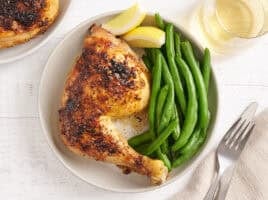
Roasted Chicken Legs
$3.46 recipe / $1.15 serving

Smothered Pork Chops
$5.79 recipe / $1.45 serving

How to Make a Simple Side Salad
Storage & Reheating
Store leftover twice baked potatoes in an airtight container in the fridge for 3-4 days. Refrigerate them within 2 hours of cooking to keep things food safe!
Make Ahead
You can bake the potatoes, make the filling, and stuff the skins up to 24 hours ahead. Keep the stuffed potatoes in an airtight container in the fridge until you’re ready for the second bake. I like to take them out while the oven preheats to take the chill off. They may need a few extra minutes in the oven to heat through.
Freezing
- Freeze before the second bake: Assemble the potatoes and top them with cheddar, then freeze them on a sheet pan until firm, about 2 hours. Wrap each frozen half in foil and transfer it to a freezer-safe airtight container or bag. Use within 2-3 months and follow either oven method below to finish baking them.
- Freeze fully baked leftovers: Once they’ve cooled completely, place them in a freezer-safe bag. You can also wrap each half in foil before bagging it if you want to pull out one at a time (as shown below). Freeze for about 3 months.

Reheating
- From the fridge: Warm fully baked leftovers in a 350°F oven or in the microwave until the center reaches 165°F.
- Straight from the freezer: Preheat the oven to 375°F and loosely wrap each potato half in foil to keep it from drying out and protect the cheese from overbrowning. Bake for 20-25 minutes with the foil on, then unwrap and bake for another 20-25 minutes, until the cheese is melted and the center reaches 165°F.
- Thaw in the fridge first: Thaw the potatoes overnight, then bake them on a parchment-lined baking sheet at 350°F for 20-25 minutes, until the tops are golden and the centers reach 165°F.
- Microwave fully baked leftovers: Remove any foil, place a potato half on a microwave-safe plate, and cover it with a slightly damp paper towel. Microwave on high for about 4-5 minutes from frozen or 2-3 minutes if thawed. Check as you go and heat in 30-second to 1-minute intervals as needed until the center reaches 165°F. If you’d like to crisp up the skin, finish it in a toaster oven or regular oven.
Love Loaded Potatoes? Try These Recipes Next:
- On a cold night, all I want is a bowl of Loaded Potato Soup with tangy sour cream and plenty of crispy bacon and cheddar on top.
- These Loaded Smashed Potatoes have golden, crispy edges seasoned with everything bagel seasoning, plus melted cheddar and a dollop of cool sour cream.
- When I want to make loaded potatoes for a crowd, I’ll serve this Twice Baked Potato Casserole so everyone can scoop up some creamy mash with melted cheddar and crispy bacon themselves!
- Tuck leftover turkey and stuffing into crispy Thanksgiving Potato Skins with melted cheese and a spoonful of sweet-tart cranberry sauce on top.
More Russet Potato Recipes
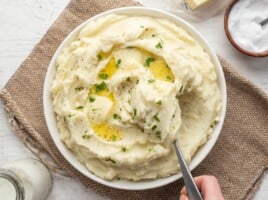
Mashed Potatoes
$2.29 recipe / $0.45 serving
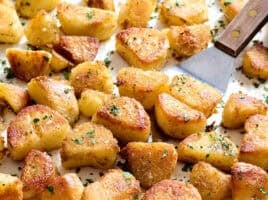
Oven Roasted Potatoes
$1.75 recipe / $0.43 serving

Hasselback Potatoes
$3.45 recipe / $0.86 serving

Classic Potato Soup
$5.41 recipe / $0.90 serving
Our Twice Baked Potatoes recipe was originally published 10/2/23. It was retested, reworked, and republished to be better than ever 11/21/26.
The post Twice Baked Potatoes appeared first on Budget Bytes.
PakarPBN
A Private Blog Network (PBN) is a collection of websites that are controlled by a single individual or organization and used primarily to build backlinks to a “money site” in order to influence its ranking in search engines such as Google. The core idea behind a PBN is based on the importance of backlinks in Google’s ranking algorithm. Since Google views backlinks as signals of authority and trust, some website owners attempt to artificially create these signals through a controlled network of sites.
In a typical PBN setup, the owner acquires expired or aged domains that already have existing authority, backlinks, and history. These domains are rebuilt with new content and hosted separately, often using different IP addresses, hosting providers, themes, and ownership details to make them appear unrelated. Within the content published on these sites, links are strategically placed that point to the main website the owner wants to rank higher. By doing this, the owner attempts to pass link equity (also known as “link juice”) from the PBN sites to the target website.
The purpose of a PBN is to give the impression that the target website is naturally earning links from multiple independent sources. If done effectively, this can temporarily improve keyword rankings, increase organic visibility, and drive more traffic from search results.