In the world where more than 6 billion people rely on smartphones, cellular applications are very necessary. From managing daily schedules to entertainment, applications form how technology is integrated into modern life. The essence of every successful application is the design. This article provides comprehensive Guide, discussing what is a cellular application design, why this is important, what are the main principles and the best practice to achieve extraordinary results.
By studying important aspects such as UI, UX, typography, navigation, and color schemes, this guide underlines how to design cellular applications effectively bridge the gap between user needs and technology functions.
What is a cellular application design?
Cellular application design refers to the process of visual elements and interactive functions of cellular applications. This involves two main aspects:
- UI (User Interface): Concentrate on how the application is seen, focus on elements such as icons, color palettes, typography, and layout. The well -designed UI guarantees that each visual component is in harmony with the purpose of the application and increasing use.
- UX (User Experience): Dealing with the overall use, flow, and responsive application, ensuring it is in line with the user’s needs. Extraordinary UX design anticipates user behavior, minimizing efforts, and simplifying interactions.
The application design bridges the gap between technology and its users, combining aesthetics with functionality. Applications that are executed properly attract users and keep them involved by providing unnecessary complexity value. Besides that, Cellular application design service Providers focus on integrating brand identity into UI and UX, achieving consistent results.
Why is the design of cellular applications important?
- Retention and satisfaction. Applications that are designed carefully contribute to user satisfaction. Bad layout or non -intuitive interface can frustrate users, which lead to destruction and choose competitors’ solutions.
- Market differentiation. With a market that holds millions of applications, achieving the best cellular application design. Unique designs can captivate the audience, driving downloads, and consistent use. By utilizing innovative UI and UX principles, businesses can carve different identities in crowded markets.
- Business impact. Applications designed with target audience in mind contribute to a higher conversion rate. Whether it’s encouraging purchases or subscriptions, good application design significantly affects the main performance metric. In addition, intuitive design encourages users to explore more features, thereby increasing interaction and profitability.
How to achieve the best cellular application design: 5 main areas
Cellular Application UI Design
The UI made well is the visual foundation of any cellular application. The interface must:
- Maintain visual clarity through a minimalist layout. Simplicity in the design reduces cognitive burden and facilitates dinvigation through application.
- It’s better to use a consistent style, including fonts, buttons, and icons. Consistency throughout the screen encourages intimacy and trust among users.
- Combining design elements that are in harmony with branding. The presence of a strong brand in UI design helps users associate applications with reliability and professionalism.
Effective UI design attracts the attention of users and building intimacy, helping users navigating applications without unnecessary complexity.
UX design cellular application
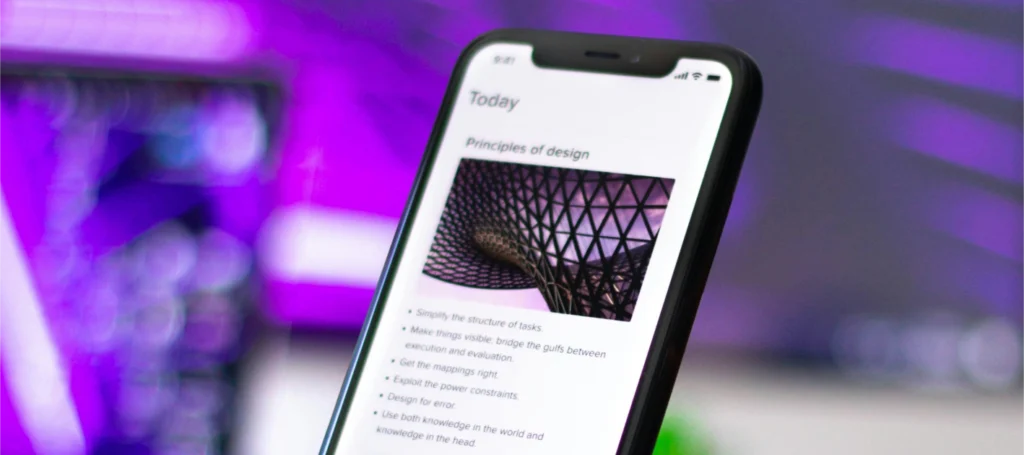
UX design focuses on interactions between users and applications. By prioritizing user behavior and preferences, experience can remain intuitive. UX design cellular applications involve:
- Logical flow between the screen and action. Organized structures help users achieve their goals without confusion.
- Feedback mechanisms, such as indicators or animation of progress. These elements convince users that their actions are being processed.
- Designing cellular applications that anticipate user needs. For example, predictive search features or personalized recommendations increase uses.
High quality UX make functional and practical applications, contribute to long -term user loyalty. A strong focus on UX also minimizes the friction point, reducing the level of neglect.
Navigation structure
The navigation framework determines how the user moves through the application. Simplify navigation increases accessibility and reduce confusion. Important aspects of strong navigation structures include:
- Delete labeling menu items. Descriptive labels state that users immediately understand their purpose.
- Logical grouping related features. Organizing functionality into the category of preventing extraordinary users.
- Prioritize the actions that are often used. Placing general features clearly increases use.
Structured navigation layout encourages intimacy, making tasks such as exploring or completing transactions easier for users. In addition, a well thought of navigation hierarchy creates scalability as application growth.
Cellular typography
Typography significantly affects readability and aesthetic appeal. The main considerations for effective cellular typography are:
- Choosing an optimized scalable font for different screen sizes.
- Using a consistent typographic hierarchy to emphasize the main content. For example, titles, subposes, and body text must follow logical development.
- Choose a read font style that can be in harmony with the application tone. Font must reflect the purpose of the application, whether professional, fun, or minimalist.
The right typography helps textual elements contribute to the overall application design rather than reducing it. In the example of a good application design, typography often plays a subtle role but is important in user satisfaction.
H3 cellular color scheme
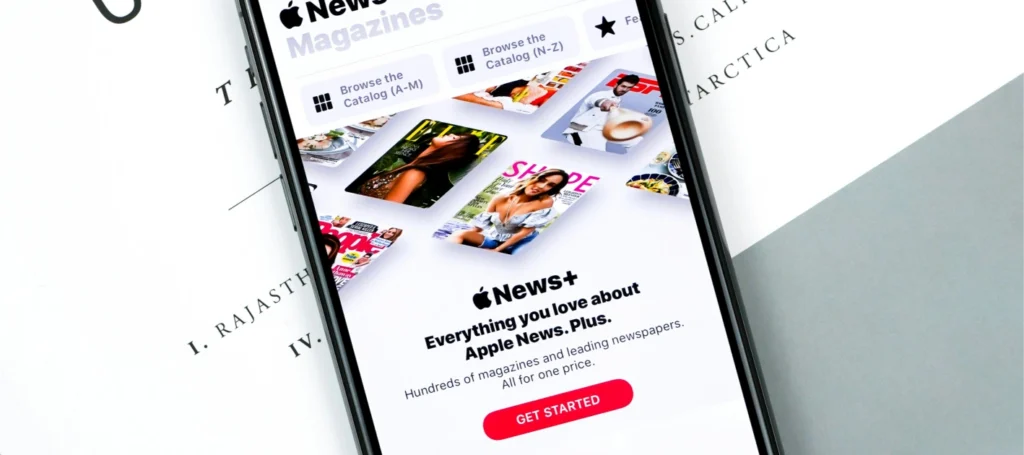
Integrated color schemes strengthen brand identity and use. Cellular color schemes that have an impact involving:
- Utilize contrasting colors for readability. Effective contrast makes interactive text and elements easily distinguished.
- Highlight interactive elements through the nuances of accent. Use bright colors for user focus buttons and links.
- Ensure the palette is in harmony with the brand personality. Color arouses emotions and regulate tones for user interactions.
A harmonious color scheme is very important for visual pleasant experiences that resonate with the intended audience. For example, the dark fashion option has become a popular feature in modern applications.
Cellular application design process
Making high -quality cellular applications involves step by step approach:
- Research and planning. In-depth research helps define the target audience, identify pain points, and describe goals. Competitory analysis provides insight into industrial trends and establishing benchmarks for differentiation. This phase sets the basis for aligning the needs of users with business goals.
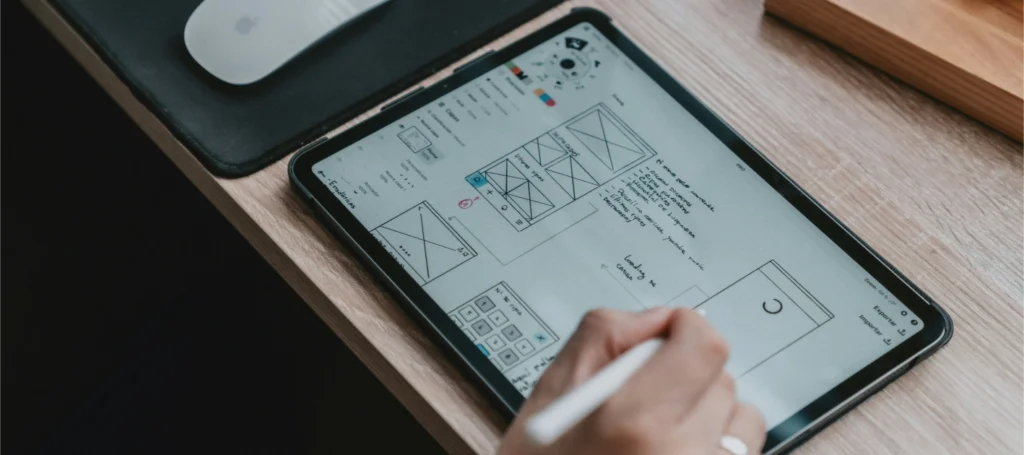
- Wireframing and prototype. Wireframes put the foundation for the application layout, while the prototype simulates functionality. They help in visualizing the structure and collecting feedback earlier. With iteration at this stage, the main design weaknesses can be overcome before development begins.
- Visual design. Building above wireframes, the visual design phase focuses on applying the selected color scheme, typography, and other aesthetic elements to improve the overall application design. Attention to details during this stage maintains consistency throughout the application.
- Testing and improvement User testing highlights the problems of use and fields for improvement. Iterative adjustments produce the final polished product ready to be launched. Combining feedback from various groups of users helps applications meet the standard of extensive use.
Examples of good cellular application design
Checking examples of cellular application designs from industrial leaders highlighting successful strategies:
- Instagram: Combining an intuitive navigation system with a clean UI that prioritizes content. The use of typography that can be discharged and color schemes that consistently improve user experience.
- Duolingo: Involving users through pleasant visuals, structured UX, and motivating indicators of progress. The interactive design element of the application displays how gamification can be implemented effectively.
- Spotify: Excellent in the use of color schemes, with dark mode equipped with lively accents, making this application visually and functionally attractive. The smooth integration of personalized recommendations shows a superior UX design.
These examples underline the importance of aligning UI, UX, and Branding to create impressive experiences. They also show how to focus on details such as typography and color schemes can distinguish applications.
Trends in Cellular Application Design (2025)
1. Dark fashion
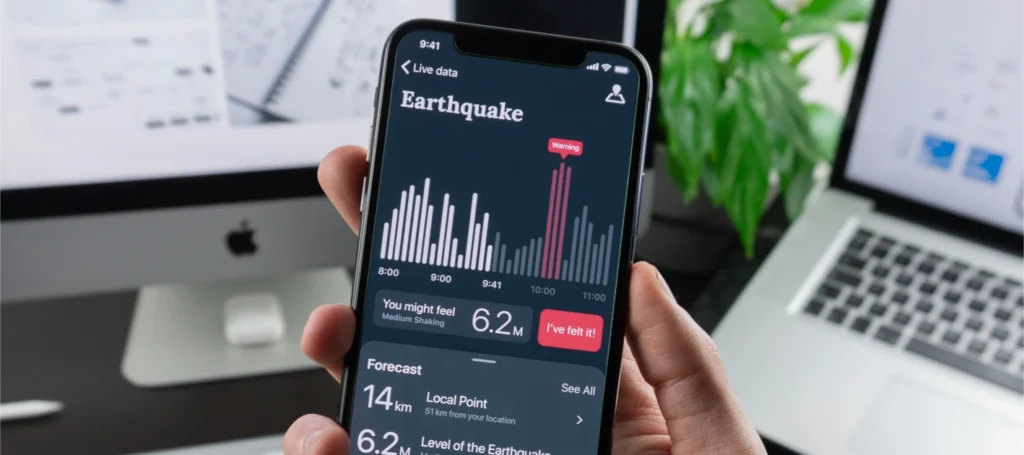
Dark mode has become a popular choice for aesthetic appeal and battery saving benefits. It offers an easy alternative interface in the eye, especially in a low light environment.
2. The sound user interface (vuis)
With the emergence of AI assistants such as Siri and Alexa, integrating voice commands into the application has gained attraction. This trend increases accessibility and simplifies interaction.
3. Personalization
Modern users expect applications to adapt to their preferences. Features such as personalized recommendations and dynamic interfaces meet individual needs, creating more intuitive experiences.
4. Micro interaction
Small and aiming animation – like the button changes color when tapped – add a layer of feedback that increases use. This fine detail makes the application feel more interactive and responsive.
5. Augmented and Virtual Reality (AR/VR)
AR and VR technology opens new possibilities for application design, especially in games, education, and retail. This technology offers in -depth experiences that go beyond traditional interfaces.
Conclusion
The design of cellular applications beyond aesthetics, representing the unity of use, innovation, and brand identity. By focusing on the UI, UX, Navigation, Typography, and Color schemes, the application can achieve excellence. Utilizing the structured process from research to improvement helps align the final product with the expectations of users and business goals. This cellular application design guide provides paths to create applications that not only look attractive but perform effectively in the current competitive landscape.
Investing in cellular application design services or learning examples is very important for businesses that aim to achieve the best choice and maintain relevance in the dynamic digital world.
Game Center
Game News
Review Film
Berita Olahraga
Lowongan Kerja
Berita Terkini
Berita Terbaru
Berita Teknologi
Seputar Teknologi
Berita Politik
Resep Masakan
Pendidikan
Berita Terkini
Berita Terkini
Berita Terkini
review anime
Gaming Center
Originally posted 2025-05-20 06:33:23.